Ir a este Sway
EXPRESSING THE FUTURE
(WILL - GOING TO - PRESENT CONTINUOUS)


Un error común que hacen los hablantes de español es usar will siempre que se refieren a una acción del futuro. Sin embargo, will probablemente es lo que se utiliza menos para hablar del futuro en ingles. Veremos cómo y cuándo usar will, am/are/is going to + infinitive y el presente continuo (I’m working, He’s coming, etc).
Will
NUNCA uses will para referirte a algún tipo de plan. Will se usa más para acciones y decisiones espontáneas, además de peticiones, promesas, posibilidades y probabilidades del futuro. A continuación explico cada uno de estos usos:
a) Peticiones
Además de “Can you…, please?”, se utiliza Will en lugar de Can para pedir algo.
Will you help me, please?
¿Me ayudas, por favor?
Will you come with me, please?
¿Vienes conmigo, por favor? / ¿Me acompañas, por favor?
b) Decisiones espontáneas,
Cuando se transmite una idea que no se ha decidido anteriormente y que sólo se le ocurre a quien habla en el momento, se utiliza will, o más comúnmente, la forma contraída: ‘ll.
Piensa en cuando suena el teléfono:
Lo cojo yo.
I’ll get it.
O cuando alguien te pide un favor:
Ningún problema; lo hago / lo haré más tarde.
No problem; I’ll do it later.
En las situaciones a & b se utiliza mucho el presente en español pero will (o; ‘ll) en inglés.
c) Frases condicionales (1st conditional).
Como en español, se utiliza el presente simple después de si/if, cuando/when, en cuanto / as soon as, etc. y el futuro simple en la otra parte de la frase, por ejemplo:
Si llueve, no saldremos.
If it rains, we won’t go out.
Lo haré cuando tenga tiempo.
I’ll do it when I have time.
En cuanto reciba el paquete, te diré algo.
As soon as I get the parcel, I’ll let you know.
d) Posibilidades
Utilizar will con maybe o perhaps (quizás, tal vez, a lo mejor, igual) es una manera de expresar posibilidad en el futuro, por ejemplo:
Quizá iré al cine esta noche.
Maybe I’ll go to the cinema tonight.
Igual te llamarán mañana.
Perhaps they’ll call you tomorrow.
e) Predicciones y probabilidades
Se utiliza will para hacer predicciones en inglés, muchas veces junto con el verbo think, por ejemplo:
Who do you think will win?
¿Quién crees que ganará?
I think the economy will improve next year.
Creo que la economía mejorará el año que viene.
I don’t think they’ll come.
No creo que vengan / Creo que no vendrán.
FíJATE que también se utiliza will con don’t think aunque en español se utilice el presente del subjuntivo.
f) Promesas, por ejemplo:
I promise (you) I’ll help them.
Te prometo que los ayudaré.
We promise (you) we’ll visit you next year.
Os prometemos que os vistaremos el año que viene.
No obstante cuando se trata de algún tipo de plan, algo ya pensado y/o decidido antes de hablar, no se utiliza will sino am/are/is going to + infinitivo o el present continuous.
Going to
Se usa going to para planes e intenciones del futuro. Se trata de planes que ya tienes en la cabeza aunque los datos precisos de cuándo y dónde no se hayan concretado.
Por ejemplo:
I’m going to watch a dvd this evening.
Voy a ver un dvd esta tarde (noche).
No se ha fijado la hora exacta en la que voy a verla, será cuando me apetezca o cuando me venga bien.
David’s going to paint the living room this weekend.
David va a pintar la sala este fin de semana.
No se ha fijado la hora exacta en la que empezará.
Un buen ejemplo de cuándo usar going to es en esta época del año cuando se hacen los propósitos de Año Nuevo. Los propósitos son cosas en las que has pensado y cosas que tienes la intención de hacer, mejorar o cumplir.
Por ejemplo:
This year I’m going to improve my English. I’m going to read interesting blogs about the English language and I’m going to read a newspaper article and watch a news report every day.
Este año voy a mejorar mi inglés. Voy a leer blogs interesantes sobre el idioma inglés y voy a leer un artículo de prensa y ver un reportaje de noticias cada día.
Además, se puede utilizar going to en lugar de will para hacer predicciones si tienes más seguridad del resultado o si existe algún tipo de evidencia para reforzar lo que se dice.
Por ejemplo:
I think it will rain later.
Creo que lloverá más tarde.
Es mi opinión, es una sensación que tengo.
I think it’s going to rain later.
Creo que va a llover más tarde.
Basado en evidencia: hay muchas nubes oscuras, el viento va en aumento.
GIVING DIRECTIONS
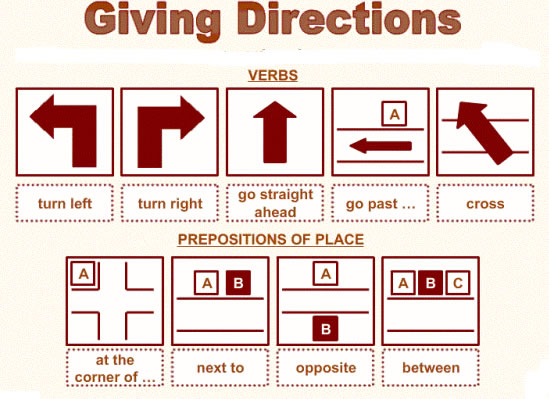

Normally, when you ask for directions, you won't fully understand the reply, just try to remember the first two or three things they say.
|

EXPRESSING THE FUTURE
(WILL - GOING TO - PRESENT CONTINUOUS)


Will
a) Peticiones
Además de “Can you…, please?”, se utiliza Will en lugar de Can para pedir algo.
Will you help me, please?
¿Me ayudas, por favor?
Will you come with me, please?
¿Vienes conmigo, por favor? / ¿Me acompañas, por favor?
b) Decisiones espontáneas,
Cuando se transmite una idea que no se ha decidido anteriormente y que sólo se le ocurre a quien habla en el momento, se utiliza will, o más comúnmente, la forma contraída: ‘ll.
Piensa en cuando suena el teléfono:
Lo cojo yo.
I’ll get it.
O cuando alguien te pide un favor:
Ningún problema; lo hago / lo haré más tarde.
No problem; I’ll do it later.
En las situaciones a & b se utiliza mucho el presente en español pero will (o; ‘ll) en inglés.
c) Frases condicionales (1st conditional).
Como en español, se utiliza el presente simple después de si/if, cuando/when, en cuanto / as soon as, etc. y el futuro simple en la otra parte de la frase, por ejemplo:
Si llueve, no saldremos.
If it rains, we won’t go out.
Lo haré cuando tenga tiempo.
I’ll do it when I have time.
En cuanto reciba el paquete, te diré algo.
As soon as I get the parcel, I’ll let you know.
d) Posibilidades
Utilizar will con maybe o perhaps (quizás, tal vez, a lo mejor, igual) es una manera de expresar posibilidad en el futuro, por ejemplo:
Quizá iré al cine esta noche.
Maybe I’ll go to the cinema tonight.
Igual te llamarán mañana.
Perhaps they’ll call you tomorrow.
e) Predicciones y probabilidades
Se utiliza will para hacer predicciones en inglés, muchas veces junto con el verbo think, por ejemplo:
Who do you think will win?
¿Quién crees que ganará?
I think the economy will improve next year.
Creo que la economía mejorará el año que viene.
I don’t think they’ll come.
No creo que vengan / Creo que no vendrán.
FíJATE que también se utiliza will con don’t think aunque en español se utilice el presente del subjuntivo.
f) Promesas, por ejemplo:
I promise (you) I’ll help them.
Te prometo que los ayudaré.
We promise (you) we’ll visit you next year.
Os prometemos que os vistaremos el año que viene.
No obstante cuando se trata de algún tipo de plan, algo ya pensado y/o decidido antes de hablar, no se utiliza will sino am/are/is going to + infinitivo o el present continuous.
Going to
Se usa going to para planes e intenciones del futuro. Se trata de planes que ya tienes en la cabeza aunque los datos precisos de cuándo y dónde no se hayan concretado.
Por ejemplo:
I’m going to watch a dvd this evening.
Voy a ver un dvd esta tarde (noche).
No se ha fijado la hora exacta en la que voy a verla, será cuando me apetezca o cuando me venga bien.
David’s going to paint the living room this weekend.
David va a pintar la sala este fin de semana.
No se ha fijado la hora exacta en la que empezará.
Un buen ejemplo de cuándo usar going to es en esta época del año cuando se hacen los propósitos de Año Nuevo. Los propósitos son cosas en las que has pensado y cosas que tienes la intención de hacer, mejorar o cumplir.
Por ejemplo:
This year I’m going to improve my English. I’m going to read interesting blogs about the English language and I’m going to read a newspaper article and watch a news report every day.
Este año voy a mejorar mi inglés. Voy a leer blogs interesantes sobre el idioma inglés y voy a leer un artículo de prensa y ver un reportaje de noticias cada día.
Además, se puede utilizar going to en lugar de will para hacer predicciones si tienes más seguridad del resultado o si existe algún tipo de evidencia para reforzar lo que se dice.
Por ejemplo:
I think it will rain later.
Creo que lloverá más tarde.
Es mi opinión, es una sensación que tengo.
I think it’s going to rain later.
Creo que va a llover más tarde.
Basado en evidencia: hay muchas nubes oscuras, el viento va en aumento.
GIVING DIRECTIONS

List of phrases for giving directions
- Go straight ahead.
- Turn back./Go back.
- Turn left/right.
- Go along …
- Cross …
- Take the first/second road on the left/right.
- It’s on the left/right.
- Go past.
- The easiest way is to …
- The best way is to …
- It’s on the corner
- It’s in the middle of the block.
List of phrases for asking for directions
- How can I get to …?
- Where is the …?
- How far is the … from the …?
- Is there a … around here?
- Could you tell me how to get to …?
- How do I find …?
- Pardon me, I’m lost. how do I get to …?
- Which is the best way to …?
- Could you direct me to …?
- Which way do I go to get to …?
- What’s the best way to …?
- Excuse me, do you know where the … is?
- Is this the right way for …?
CARDINAL AND ORDINAL NUMBERS
Cardinal Numbers
Cardinal numbers are primary numbers – that means that they show how many of something there are. These cannot be fractions or decimals, but have to be whole, counting numbers. These include one, two, three, four, five, six, etc.
Ex. Charlie has two (2) cats.
Ordinal Numbers
An ordinal number is used to show the order of something, or the place of that thing in a list. These include first (1st), second (2nd), third (3rd), fourth (4th), fifth (5th), sixth (6th), etc.

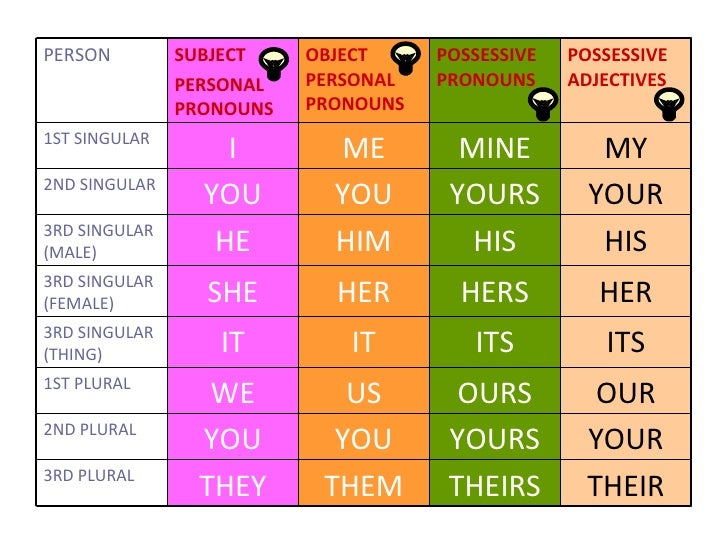 VERB "TO BE" + "HAVE / HAVE GOT"Click on the image below to read the information regarding the form and use of these verbs.

- How can I get to …?
- Where is the …?
- How far is the … from the …?
- Is there a … around here?
- Could you tell me how to get to …?
- How do I find …?
- Pardon me, I’m lost. how do I get to …?
- Which is the best way to …?
- Could you direct me to …?
- Which way do I go to get to …?
- What’s the best way to …?
- Excuse me, do you know where the … is?
- Is this the right way for …?
CARDINAL AND ORDINAL NUMBERS
Cardinal numbers are primary numbers – that means that they show how many of something there are. These cannot be fractions or decimals, but have to be whole, counting numbers. These include one, two, three, four, five, six, etc.
Ex. Charlie has two (2) cats.
Ordinal Numbers
An ordinal number is used to show the order of something, or the place of that thing in a list. These include first (1st), second (2nd), third (3rd), fourth (4th), fifth (5th), sixth (6th), etc.